Buy your weekday smoothies and get your weekend ones for free. (7 for the price of 5!)
WELLNESSWEEK


What if the most memorable part of a resort stay is not one beautiful room, but the feeling that every space belongs to the same story? As a resort interior design firm, I bring that story to life through choices guests can see, touch, and experience, from arrival and shared spaces to the quiet of a guest room.
It’s natural to wonder how an evocative vision becomes a complete experience, or whether beauty can work in harmony with a property’s practical needs. I believe it can. The atmosphere matters, and so do comfort, movement, and the everyday demands of a resort. Each decision should respond to both.
In this article, I’ll share how I develop resort projects from concept through execution, connecting the guest journey with space planning, furnishings, and carefully made details. I’ll also explain how I start with the way my clients see and feel beauty, then work with artisans to give that vision a distinctive, tangible presence.
I believe a resort must do more than look beautiful. It should feel memorable and welcoming from the moment guests arrive. As a resort interior design firm, I shape interior spaces, furnishings, and atmosphere around that experience, so the property feels connected rather than like a collection of separately decorated rooms.
Guests move through a sequence: arrival, shared spaces, dining, and then the privacy of a room. Each space can have its own character, while thoughtful choices in materials, furnishings, lighting, and visual details help the journey feel cohesive. A welcoming entrance might lead to a lively gathering space, while a guest room offers a quieter expression of the same overall character.
I begin with a design concept: the guiding idea that informs how a property should feel and how its spaces relate. From there, I develop the visual character and make decisions about space planning, materials, furnishings, and custom pieces. Space planning means considering how people use and move through an area. The aim is to make the design feel intentional in person, not just attractive in a photograph.
My role continues from early direction through execution, carrying the concept into the finished interiors. That means considering the guest experience alongside the practical needs of a working property. Public areas, dining spaces, and private rooms serve different purposes, so their design should respond to those needs while contributing to a shared sense of place. The wider context of hotel design principles also considers how a building’s different facilities work together.
Guests don’t experience a resort as a set of separate design decisions. They feel the transition from arrival into shared spaces, from the energy of dining to the calm of a private room. Continuity can come through recurring materials, thoughtful proportions, or details that echo across spaces. Each area can still have its own mood. Cohesion doesn’t mean sameness.
An immersive resort interior is a connected sequence of spaces that helps guests feel welcomed, oriented, and at ease. That feeling grows from considered choices, including how an entrance leads into a gathering place or how furnishings invite guests to pause. You can see how I bring a complete design vision to life in my resort design projects.
I think about a resort as a sequence of moments, not a set of rooms to decorate. Guests arrive, take in their surroundings, gather in shared spaces, dine, and eventually retreat to private rooms. Each transition can feel distinct, yet the experience should carry a thread of connection. That thread comes from a consistent visual language: choices in materials, lighting, furnishings, and decorative objects that help the spaces belong to the same story.
Arrival is the first expression of a resort’s character. Proportion can make a reception area feel intimate or expansive; lighting can make the welcome feel soft or more ceremonial. Furnishings and carefully chosen details give guests something to notice without crowding the space. I want reception to feel welcoming in its own right while offering a first glimpse of the character that continues throughout the property.
An arrival space sets expectations by giving guests their first felt sense of the resort’s character.
Shared spaces invite conversation and activity. Dining spaces have their own rhythm, while guest rooms call for a more personal, restful mood. I don’t make them identical. Instead, I look for ways to carry materials, forms, or tones from one setting to another, adjusting their expression to suit each space. A familiar texture in a public area might reappear in a quieter form in a private room; a distinctive shape might echo in furnishings or lighting.
Recurring details help guests feel continuity as they move through the property, while each space remains suited to its purpose. The International Interior Design Association (IIDA) represents the breadth of the interior design profession, including work across commercial environments. In resort design, a space must express a point of view and support the way people use it.
For another perspective on hospitality interiors, explore my interior design projects. A resort interior design firm can carry the same visual language across a property without repeating the same room again and again. The result is a guest journey with both contrast and cohesion: lively where people come together, quieter where they seek privacy, and connected throughout.
I don’t see atmosphere and practical use as opposing goals. A resort can feel distinctive and inviting while supporting how guests and staff use it every day. As a resort interior design firm, I consider both the intended feeling of a space and its purpose: how people move through it, gather, dine, rest, and care for it over time. The right balance depends on the property, not on a one-size-fits-all formula.
I use questions about circulation, comfort, maintenance, and durability to guide project-specific decisions. Where do guests naturally gather? How should furniture support movement as well as conversation? What kind of upkeep suits the property’s routines? These considerations belong in the design conversation early. Hotel Design, Planning and Development offers a broader look at planning considerations for hospitality spaces.
| Guest experience | Everyday purpose | Design response |
|---|---|---|
| A welcoming arrival | Help guests enter, orient themselves, and approach reception | Consider the arrangement of furnishings, clear movement through the space, and an inviting focal point |
| A convivial dining room | Support dining, conversation, and the movement of guests and staff | Plan seating, table placement, lighting, and finishes around the room’s use and character |
| A restful guest room | Give guests space to settle in and feel at ease | Choose furnishings and details that support comfort and a sense of visual calm |
In a lobby, lounge, or dining area, furniture placement shapes how people move and gather. A beautiful arrangement still needs to make sense for the activity. Seating can invite conversation while keeping a clear path through the space; a dining layout can balance a welcoming atmosphere with room to move. I consider materials and furnishings in relation to the property’s character and how each shared space is used. Beauty should feel considered, not fragile or impractical.
In a guest room, I look for comfort, visual calm, and a clear relationship between each furnishing and the overall concept. A distinctive mirror, light, or custom-made piece can give a room a personal note without breaking its connection to the resort. My residential interior design perspective also informs how I think about the intimacy and ease of private spaces, while the resort setting gives those rooms their own context.
Good practical planning doesn’t erase the feeling of a place. It helps that feeling live comfortably in daily use.
I develop a resort project from the first conversations through execution, keeping the finished interiors connected to the client’s goals and the feeling they want guests to experience. The process gives us a shared direction, then carries it into the spaces, furnishings, and details that make the property distinct.
Concept development is where the client’s goals and sense of beauty begin to take tangible form. I use what I learn from them to establish the property’s overall character, then let that direction inform decisions about spaces, furnishings, and decorative details. Client input continues to matter as the project takes shape. It helps me keep the intended feeling at the center while refining the choices.
A design concept is the guiding idea that connects a property’s spaces, furnishings, and details to the feeling the client wants to create.
Custom furniture and artisan-made details are part of the design itself, not finishing touches chosen after everything else. I consider them alongside the spaces they’ll inhabit, so their form and character contribute to the larger composition. Collaboration with makers brings a human touch to a project, and many of my artisan relationships span 20 years or more. Each project guides which makers and pieces suit the design.
To learn more about how I bring design work together from concept through execution, explore my interior design services.
My resort design work brings concept development and interior design through to execution. The project conversation can begin with the spaces you’re considering and the experience you hope to create. Get in touch to discuss your resort interior design project.
For me, a successful resort interior begins with understanding how my clients see and feel beauty. Their perspective gives the work its personal center. I bring that vision into the spaces, furnishings, and details, so the finished property feels considered and individual rather than assembled from unrelated choices.
I founded Rachel Horn Interiors in 2000, and I work with clients in the United States and Mexico. Many of my artisan relationships have grown to span 20 years or more. Those collaborations bring a human touch to a project, while each resort’s character and the client’s vision guide the selection of makers and pieces.
A personal interior grows from the connection between a client’s point of view and the details guests encounter. A custom-made furnishing, a distinctive decorative object, or a carefully considered combination of pieces can help express a property’s identity. I collaborate with artisans to bring their craft into a project where it complements the design and the experience the client wants to create.
Custom pieces and meaningful details give a resort interior a character of its own. They become part of the story of the spaces, rather than decoration added without purpose. You can explore examples in my interior design projects.
A first conversation can begin with your vision for the property. Share which spaces are part of the project and what you hope guests will feel as they move through them. It’s also helpful to tell me how you see beauty and what you want the interiors to express. These reflections give me a meaningful starting point for considering the project as a whole.
If you’re imagining a resort interior shaped around your vision, explore my resort interior design services and consider how your project might take form.
A memorable resort comes together through more than beautiful individual rooms. I bring the guest journey into focus, connecting arrival, shared spaces, dining, and private rooms with a cohesive character. Each space can feel distinct while supporting the practical rhythms of the property.
The work of a resort interior design firm also reaches from concept through execution. I listen to how clients see and feel beauty, then carry that understanding into spatial choices, furnishings, and meaningful details. Craft is part of that story. For residential properties, a significant percentage of the items that go into the home are custom-made by skilled artisans. This high standard of craftsmanship also informs the exceptional quality and bespoke touches brought to every resort project.
If you’re considering a resort project, share your vision with me. Tell me about the spaces involved and the experience you hope to create. I’d be glad to hear what you have in mind.
Your vision can guide a guest experience with a character all its own. I look forward to hearing what you imagine.
Resort interior design shapes how guests feel as they move through a property, from arrival and shared spaces to dining areas and private rooms. I consider how each transition can feel welcoming and connected, while giving each space its own mood and purpose. Materials, lighting, furnishings, and meaningful details help create continuity, so guests experience the resort as a whole rather than as unrelated rooms.
I bring beauty and practical use together by considering what each space needs to do as well as how it should feel. In a shared area, furniture placement can support gathering while leaving room for people to move through. In a guest room, comfort and visual calm can guide furnishing choices. Decisions about circulation, upkeep, and durability depend on the needs of each individual project.
A resort can involve an interior designer while its goals and design direction are taking shape. Early collaboration lets me understand the intended guest experience and consider how the spaces, furnishings, and details can support it as a connected whole. I can also contribute when a property is rethinking particular spaces. The design process can begin with a conversation about the project, its needs, and the feeling the client hopes to create.
Yes. I can incorporate custom-made furniture and décor as part of the design concept, rather than treating them as finishing touches added at the end. A bespoke piece can respond to a space’s proportions, character, and purpose, while contributing to the property’s wider visual story. I consider furnishings and decorative details alongside the overall design, so each element feels connected to the client’s vision.
Resort interior design considers the connected experience across guest spaces and private rooms, as well as the everyday needs of a working property. Residential interior design focuses on how a home reflects and supports the people who live there. Both call for attention to comfort, furnishings, and personal taste, but resort design also considers how guests move through a range of spaces during their stay.
I collaborate with artisans in and around SMA to bring custom-made pieces and meaningful details into projects. For a house, 90 % of the items that go into the house are made by artisans in and around SMA. This figure refers to house projects, and does not describe resort projects. Many of my artisan relationships span 20 years or more, and I consider each project’s needs and vision when determining which makers and pieces are right for it.
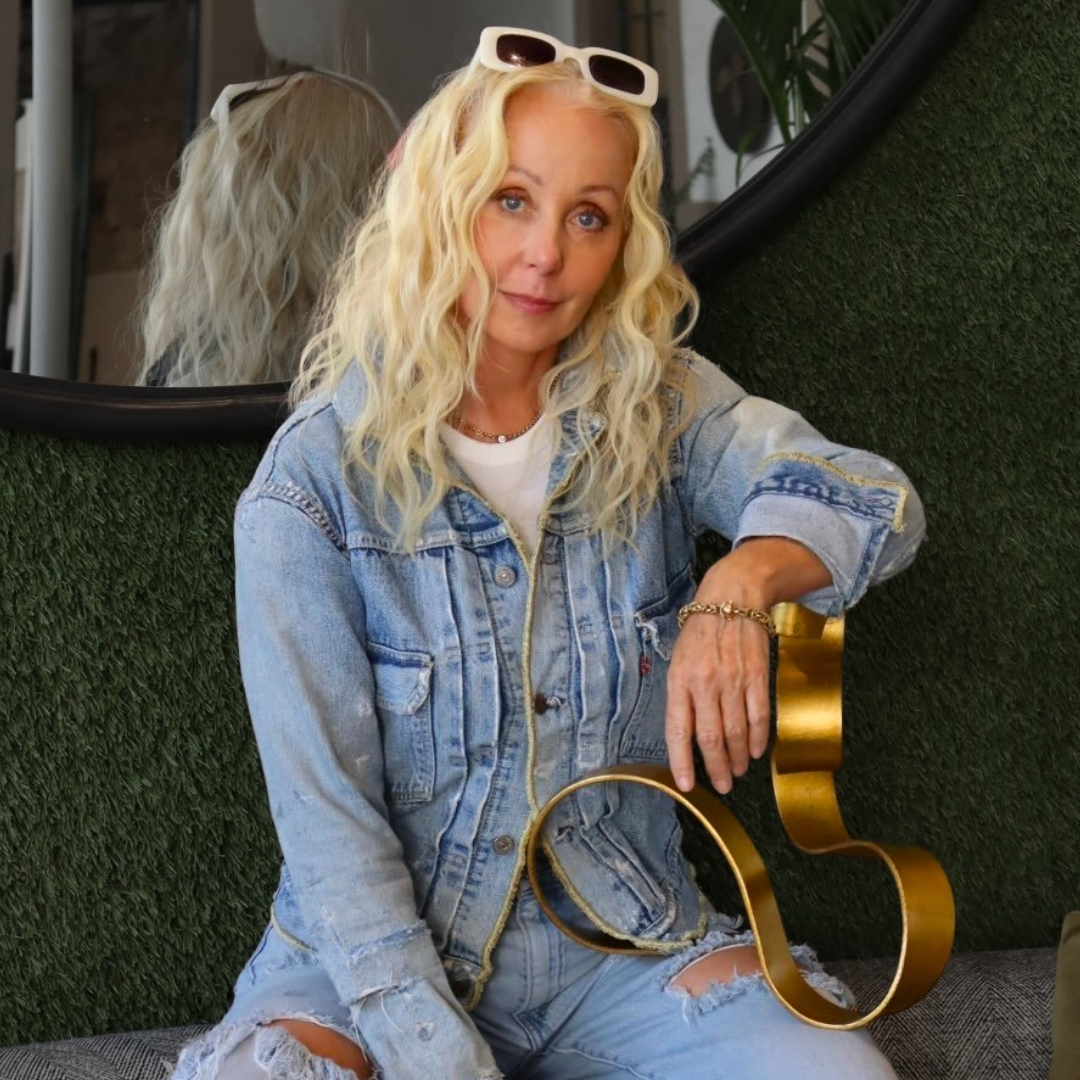
Article by
Rachel Horn Studio
Rachel Horn Studio is a San Miguel de Allende-based interior design studio specializing in luxury residential interiors, historic home renovations, hospitality spaces, and bespoke, artisan-made products for the home. Working across Mexico and the United States, the studio creates layered, experiential spaces rooted in site-specific design, Mexican craftsmanship, art, antiques, and an instinctive eye for the unexpected. From full-scale interiors to custom design and sourcing, Rachel Horn Studio brings a distinctly bicultural perspective to every project.