Buy your weekday smoothies and get your weekend ones for free. (7 for the price of 5!)
WELLNESSWEEK


True luxury isn't found in a catalog or a polished marble lobby that looks the same in Dubai as it does in New York. As I look toward luxury resort interior design trends for 2026, I see a clear departure from the cold, generic opulence that has defined the industry for too long. People are tired of spaces that feel like they were designed for a photograph rather than a person. You've likely felt it yourself, that sense of disconnect when a room is perfect but completely lacks a heartbeat.
I believe the future of travel lies in emotional resonance and what I call soulful heritage. In this article, I'll show you how the contemporary Mexican aesthetic is redefining the world’s most exclusive resort escapes. We'll explore the shift toward spaces that feel lived-in and intentional. You'll learn how I integrate artisan craft into large-scale projects and discover the specific sensory elements that will define luxury in 2026. From the touch of hand-carved wood to the story behind a bespoke light fixture, we're moving toward a design language that values the human touch above all else.
I've watched the world of high-end travel change significantly over the last two decades. Luxury used to be about the "Instagrammable" moment; a grand staircase or a gold-leafed ceiling designed to impress a camera lens. But as I look at luxury resort interior design trends for 2026, that visual spectacle is losing its grip. My clients and their guests are searching for something deeper. They want emotional resonance. To me, this is the feeling of belonging and peace a space evokes the moment you cross the threshold. It's about a room that holds you rather than one that just shows off. You can see how I've brought this to life in my portfolio of resort projects, where every corner serves a purpose beyond the aesthetic.
The "could-be-anywhere" hotel room is officially a relic of the past. People no longer want to wake up in a suite and wonder if they are in Paris, Shanghai, or Cabo. Since I founded my studio in 2000, I've advocated for identity-led design that reflects local culture. The profession of interior design has historically been about more than just decoration; it's about context and human connection. In 2026, guests are looking for a story of place rather than just a display of wealth. I use heritage to create a sense of timelessness. By integrating elements that feel rooted in the soil, I can create an environment that feels like it has always been there. This shift requires a focus on a "designing with care" ethos. It means choosing a hand-burnished copper bowl because of its weight and the way it reflects the afternoon sun, not just because it looks expensive.
True luxury happens in the quiet spaces. It's found in the unseen senses. I prioritize scent, sound, and tactile comfort because these elements bypass the brain and go straight to the heart. As I curate luxury resort interior design trends, I focus on creating "intimate pockets" within large resort footprints. A massive lobby can feel cold and uninspired, so I break it down into smaller, human-scaled zones. I think about the sensory journey from the moment a guest arrives at the lobby to the second they step into their private villa. Is the air cool? Does the fabric under their hand feel honest? Designing with care means prioritizing intimacy over grandiosity every single time. It's the difference between a cold, generic hotel and a soulful, memorable escape.
I define the contemporary Mexican aesthetic as a deliberate balance between deep heritage and modern, clean lines. It isn't about the clichés often associated with regional design. Instead, it is a celebration of the hand-hewn, the imperfect, and the deeply authentic. In my work, I blend 17th-century architectural bones with 21st-century functionality to create spaces that feel both historic and effortless. This specific look has become a major influence for luxury resort interior design trends in 2026. Designers and travelers alike are moving away from sterile minimalism toward environments that possess a clear, soulful identity.
This aesthetic works because it prioritizes the human experience over a rigid design rulebook. It is about the weight of a hand-forged iron handle or the cool touch of a stone floor. By focusing on these tangible details, we create a sense of permanence that generic luxury simply cannot replicate. It's a design language that speaks to our desire for something real and lasting.
Every project I undertake is rooted in the soil it sits on. I draw immense inspiration from the historic streets and weathered textures of San Miguel de Allende, where my studio is based. Incorporating traditional materials like cantera stone and wrought iron in modern ways allows a resort to feel connected to its location. This isn't about creating a theme park version of culture. It is about honoring a legacy. When I use local stone, I'm not just choosing a color; I'm choosing a material that has been part of the landscape for centuries. This connection to place is what gives a resort its heartbeat and ensures it feels like a natural extension of its environment.
The magic happens in the juxtaposition. I love the tension created by placing a rough-hewn, hand-carved bench against a sleek, minimalist silhouette. It’s about using ancient techniques to solve modern design challenges. This approach ensures that a space feels curated and collected over time rather than "decorated" all at once. Using natural materials is essential for achieving authenticity and sensory comfort in high-end spaces. By mixing textures, we invite guests to interact with their surroundings. If you are ready to explore how this soulful approach can transform your next development, I invite you to reach out to my studio to discuss your vision.
In a world increasingly dominated by digital perfection and mass-market convenience, the human touch has become the rarest currency. As I look at luxury resort interior design trends for 2026, I see a definitive shift toward the artisan imperative. In my projects, ninety percent of the items are handmade by artisans in and around San Miguel de Allende. This isn't a marketing slogan. It's a deep commitment to a specific type of beauty that only the hand can create. Bespoke craft is the ultimate marker of luxury in the coming years. It allows for designs that are truly unavailable anywhere else, ensuring that a resort has an identity that cannot be replicated by a competitor.
I've always believed that customization is the bridge between a space that looks good and a space that feels right. When every element has been considered and crafted for a specific room, the result is a curated environment that tells a unique story. This is why I focus so heavily on custom furniture and bespoke lighting as core drivers of my design philosophy. The value of the human touch lies in its intentionality and its ability to communicate warmth in a way that machine-made objects never can.
I have worked with many of my carpenters and ironworkers for over two decades. These relationships, which I've nurtured since I founded the studio in 2000, allow for a level of trust and experimentation that mass production simply cannot match. The artisan is not just a vendor; they are a vital part of the creative narrative. We speak a shared language of material and form. When we work together, we aren't just making furniture. We are continuing a cultural conversation that has lasted for centuries. This collaboration ensures that every piece has a soul and a history before it even enters a guest's room.
True artistry cannot be rushed. I spent an entire year developing the Ribbon Table with a local artisan, refining the curve and the weight until it felt exactly right. This "slow design" approach ensures the piece is a work of art, not just a functional object. It reflects a rejection of the fast-paced, disposable culture that has seeped into even the highest levels of design. The Ribbon Table stands as a testament to the patience and extraordinary skill of the artisans I am privileged to call collaborators. By prioritizing this level of detail, we create environments that feel grounded, permanent, and deeply personal.
I've always been drawn to materials that possess a life of their own. To me, material honesty is about letting the natural character of a medium speak clearly without being muffled by heavy sealants or synthetic finishes. When we look at luxury resort interior design trends for 2026, there's a profound move toward surfaces that invite a guest to reach out and touch them. I favor materials that age gracefully. They tell the story of their use. A leather chair should develop a soft sheen where hands have rested. A stone floor should show the subtle path of a thousand footsteps. These are not defects. They are the narrative of the space.
This shift toward the tactile is a reaction to our increasingly digital lives. We want to feel something real. Honed stone, cork, and leather are essential elements of the 2026 palette because they offer a sensory appeal that synthetic alternatives simply cannot replicate. By allowing the grain of the wood or the vein of the stone to remain visible, we honor the origin of the material. It creates an atmosphere of authenticity that guests can sense the moment they enter a room. It feels designed for a human, not just a camera.
The colors we choose are becoming more grounded and quiet. I'm seeing a rise in mineral greens, deep olive tones, and grounding mineral palettes that mirror the natural landscape. These hues work in tandem with texture to create warmth. This is especially important in large, open-plan resort spaces that can sometimes feel cavernous. I focus intensely on how a material feels underfoot or against the skin. Cork is an essential element for 2026 because of its acoustic properties and its soft, organic warmth. Honed stone provides a matte surface that feels ancient and permanent. By layering these textures, we create a sensory journey that grounds the guest in the present moment.
High-gloss perfection often feels fragile. A bit dated. In a high-traffic resort environment, I believe patinating finishes are far more luxurious than something that requires constant polishing to look new. I select materials like handcrafted iron and solid wood because they possess an inherent resilience. They don't just survive daily use; they become more beautiful because of it. A solid wood table isn't just furniture. It's a living object that absorbs the history of the resort. This approach ensures the environment feels more established and soulful as the years pass. We are building for the future by respecting the natural evolution of the materials we use today.
I often find that my residential clients want more than just a beautiful house. They want the "immersive escape" of a world-class resort right in their own home. It’s a natural evolution. As luxury resort interior design trends move toward soulful heritage and emotional resonance, they become perfectly suited for high-end residential estates. I take the principles of boutique hospitality, the quiet intimacy, the narrative depth, and the sensory richness, and apply them to private villas. The goal is always beauty in everything. It must be tailored exactly to how a client sees and feels it.
This transition from commercial to residential requires a delicate touch. In a resort, we design for a guest's temporary delight. In a home, we design for a client's lifelong comfort. But the core remains the same: the desire for a space that feels designed for a person rather than a catalog. By bringing the contemporary Mexican aesthetic into a private sanctuary, we create an environment that feels grounded and permanent. It is about creating a place where you can truly exhale.
Every home should tell a story that is uniquely yours. It starts with a concept that reflects your individual sense of beauty. I use custom furnishings and bespoke lighting to anchor a room’s identity. When a piece is handmade by an artisan who has honed their craft for twenty years, it brings a specific energy into the home. It isn't just an object; it's a conversation piece. You can explore my residential projects for inspiration on how these personal narratives come to life through artisan collaboration. We aren't just decorating. We are building a legacy.
True luxury is a holistic experience. It means navigating the entire process of full-home styling, from the large-scale furniture to the very dishes on your table. I believe the architectural design sets the stage for everything that follows. It provides the rhythm. My approach ensures that the transition from the exterior landscape to the interior sanctuary is seamless and intentional. If you are looking for a partner to guide you through this meticulous process, you can find more detail on my design services. We don't just fill rooms. We curate lives.
The landscape of high-end travel is transforming. We are moving away from the generic toward the deeply personal. As we embrace luxury resort interior design trends for 2026, the focus remains on emotional resonance and the honest beauty of natural materials. It is a shift from visual spectacle to a narrative that honors the human touch and the specific story of a place. I believe that true luxury is not just seen. It is felt in the soul of the room.
Since I founded my studio in 2000, I've prioritized deep artisan relationships. Today, ninety percent of the items in my projects are handcrafted by artisans in San Miguel de Allende. This legacy of over 20 years of bespoke design excellence ensures that every space I create has a heartbeat and a history. We are moving toward a future where the most exclusive escapes are those that feel the most human.
I look forward to helping you create an environment that feels both timeless and profoundly alive. Let's build something beautiful together.
Dominant trends for 2026 center on emotional resonance and a return to soulful heritage. I see a move away from cold, generic spaces toward environments that feel designed for a person rather than a photograph. These luxury resort interior design trends prioritize the human touch and the stories behind objects. We're using the contemporary Mexican aesthetic to blend historic architectural elements with modern functionality, creating escapes that feel both timeless and deeply rooted.
The contemporary Mexican aesthetic influences global hospitality by offering a blueprint for identity-led design. It replaces the "could-be-anywhere" feel of international hotels with a soulful balance of heritage and clean, modern lines. I celebrate the hand-hewn and the imperfect, showing the world that luxury can be grounded and authentic. This approach resonates globally because travelers are increasingly seeking spaces that reflect local culture and tell a genuine story of place rather than just wealth.
Material honesty means allowing the natural character of a medium to shine through without synthetic interference. I choose materials like honed stone, cork, and leather because they age gracefully and tell the story of their use. In high-end design, we embrace the beauty of patina rather than demanding high-gloss perfection. It’s about the sensory appeal of a surface that invites you to touch it, creating a room that feels lived-in, resilient, and honest.
Artisan craft is becoming essential because it provides the "soul" that mass-produced items lack. In a world of digital perfection, the human touch is the ultimate marker of luxury. In my projects, ninety percent of the items are handmade by artisans in San Miguel de Allende. This level of bespoke detail creates a unique identity for a hotel. It ensures that every piece of furniture or light fixture is a one-of-a-kind work of art.
You can bring resort-style design into your home by focusing on full-home styling that prioritizes beauty and personal narrative. I often help residential clients translate luxury resort interior design trends into private sanctuaries. This involves using custom furniture and bespoke lighting to anchor each room. The goal is to create an immersive escape that feels tailored to how you specifically see and feel beauty, ensuring your estate offers the same peace as an exclusive getaway.
Wellness in 2026 resort interiors is defined by emotional resonance and sensory comfort. It isn't just about a spa treatment; it’s about how a space makes you feel the moment you enter. I design for the unseen senses by using grounding mineral palettes and textures that provide warmth. When a room evokes a feeling of belonging and peace, it supports a guest’s mental and physical well-being. True wellness is found in the quiet, intimate pockets of a project.
I source authentic items through a deep network of artisans in and around San Miguel de Allende. Since I founded my studio in 2000, I've built relationships that allow me to produce almost anything. Whether it’s custom ironwork or hand-carved wood, ninety percent of my project items are handmade by these local experts. This direct collaboration allows for a level of customization that would be unavailable through traditional retail or mass-market procurement channels, even for projects located abroad.
Working with a firm that has long-term artisan relationships ensures a level of trust and experimentation that you can't find elsewhere. Many of my collaborations with SMA carpenters and ironworkers span twenty years or more. These deep ties allow us to take on "slow design" projects, like my Ribbon Table which took one year to develop. You gain access to a creative narrative where the artisan is a partner, resulting in a meticulously crafted environment with a heartbeat.
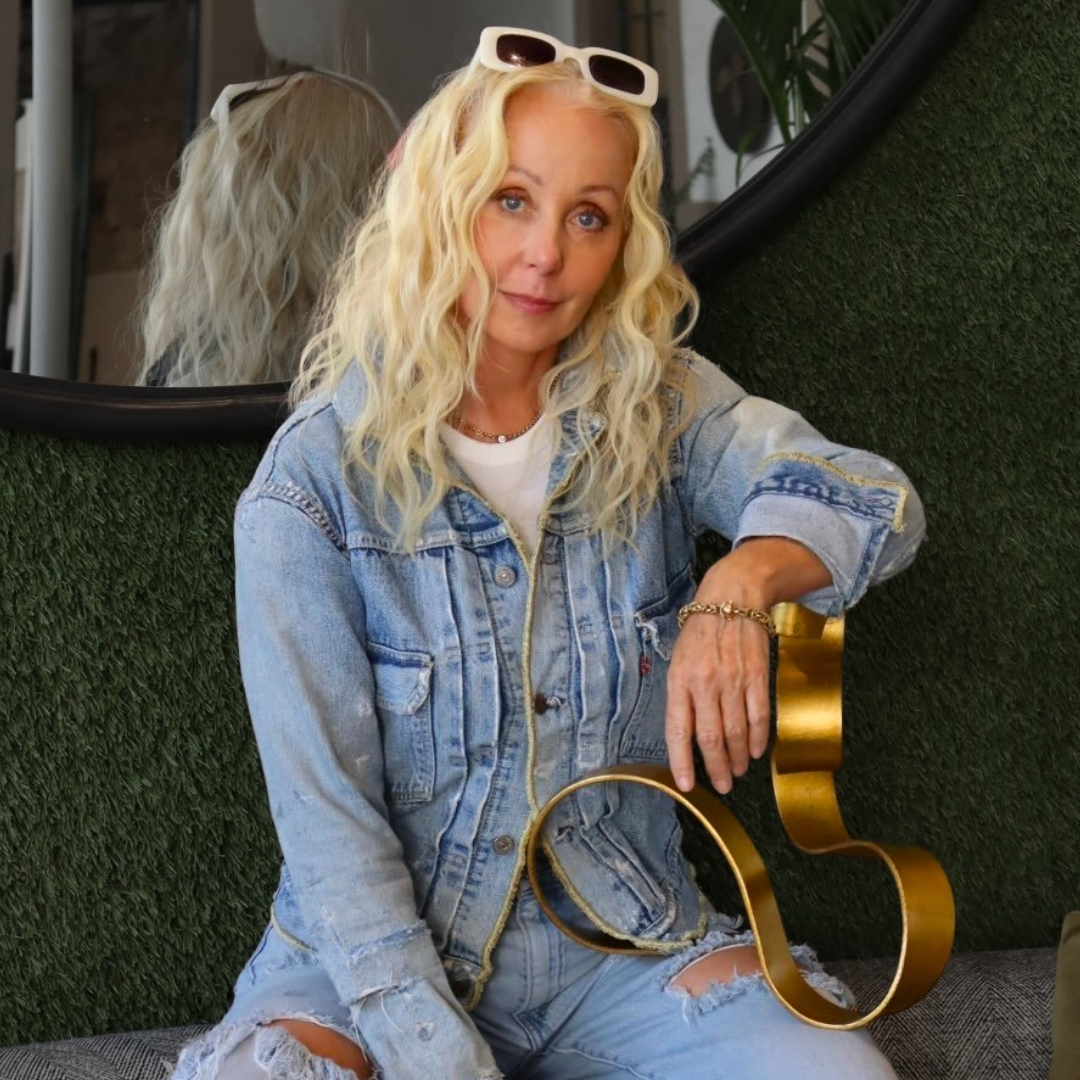
Article by
Rachel Horn Studio
Rachel Horn Studio is a San Miguel de Allende-based interior design studio specializing in luxury residential interiors, historic home renovations, hospitality spaces, and bespoke, artisan-made products for the home. Working across Mexico and the United States, the studio creates layered, experiential spaces rooted in site-specific design, Mexican craftsmanship, art, antiques, and an instinctive eye for the unexpected. From full-scale interiors to custom design and sourcing, Rachel Horn Studio brings a distinctly bicultural perspective to every project.