Buy your weekday smoothies and get your weekend ones for free. (7 for the price of 5!)
WELLNESSWEEK


What if the most expensive room in your house is also the one where you feel the least at home? It's a quiet fear many of my clients share. They worry that leaning into luxury residential interior design means sacrificing soul for a polished, showroom finish. You want a space that feels significant, yet you're terrified of it feeling cold or, worse, like it belongs to someone else. I believe your home should be a mirror of your journey, not just a collection of high-end labels.
I'm here to help you transcend generic opulence. We'll explore how to create a bespoke sanctuary that balances your heritage with a sharp, modern elegance. It's about more than just furniture; it's about the human touch and the stories told through artisan-made pieces. I'll guide you through the process of blending comfort with high-end sophistication, ensuring your project feels like a curated narrative rather than an overwhelming task. Let's look at how we can weave history and artistry into the very fabric of your living space.
I often tell my clients that luxury isn't a destination; it's an atmosphere. It’s the way the light hits a hand-plastered wall at dusk or the weight of a custom-cast brass handle in your palm. In my work with luxury residential interior design, I’ve moved away from the idea of a visual checklist. True luxury is a sensory experience. It’s the quiet hum of a room that feels right. We’ve all seen the rise of "quiet luxury," but I believe we’re entering an era of "soulful luxury." This isn't just about muted tones and expensive labels. It's about depth, history, and a sense of place.
Authenticity has become the ultimate modern status symbol. In a world of mass production, something that is truly one-of-a-kind carries an immense emotional weight. My role as an interior designer is to act as a narrative curator. I don’t just fill rooms; I tell your story through the objects and textures we choose together. My bespoke design services focus on finding that unique thread that connects your past with your future.
In the high-end market, exceptional quality is a baseline requirement, not a differentiator. You expect the best materials and the finest finishes. What truly sets a home apart is the human touch. It’s the slight irregularity in a hand-woven rug or the visible brushstrokes on a bespoke cabinet. These details remind us that someone poured their skill and passion into the piece. Luxury design is the marriage of history and innovation.
The practice of Interior design is as much about psychology as it is about aesthetics. How a space is planned directly influences your daily wellbeing and mood. When I approach luxury residential interior design, I think about how a space will feel ten years from now. I focus on creating a sense of timelessness that resists the pull of fleeting trends. There is a profound difference between a showroom and a lived-in masterpiece. A showroom is meant to be looked at, but a soulful home is meant to be felt. It’s a sanctuary that supports your life while reflecting your personal legacy.
Creating a home that feels both grand and intimate requires a deep understanding of the physical forces that ground a space. In the world of luxury residential interior design, we often talk about the "bones" of a home. For me, those bones are built from natural materiality. I lean into the weight of hand-carved stone, the warmth of reclaimed wood, and the cool, steady presence of hand-forged metal. These elements act as grounding forces. They provide a sense of permanence in a world that often feels transient. When we work with grand residential estates, proportion and scale become our primary tools. It’s about ensuring that a double-height foyer still feels like a welcoming embrace rather than a hollow hall.
My approach aligns with the core principles of Luxury Interior Design, where intentionality and quality take precedence over mere decoration. Every choice must be deliberate. Every material must have a reason for being there. I often look back at my past projects to see how these foundational elements have aged. The most successful spaces are those where the materials develop a patina over time, telling a story of a life well-lived.
I like to let texture do the heavy lifting, especially when we are working with a neutral palette. By mixing artisan-made home goods with sleek modern finishes, we create a visual tension that is incredibly sophisticated. Imagine a smooth, honed marble countertop paired with a rough-hewn wooden stool. Or a velvet sofa set against a backdrop of raw plaster walls. These contrasts invite you to touch and engage with your surroundings. The luxury of raw, high-quality natural materials lies in their honesty. They don't pretend to be something they aren't, and that authenticity brings a quiet confidence to any room.
Lighting should never be just about functional illumination. I view it as architectural sculpture. In a soulful home, we use bespoke lighting to sculpt the atmosphere. Custom-crafted fixtures act as focal points that define a room’s narrative. We layer light to highlight architectural details, illuminate art, and create pockets of warmth. It’s the difference between a room that is simply bright and one that has a distinct mood. A hand-blown glass pendant or a custom-patinated sconce can transform a space from a simple room into a curated experience. If you’re beginning to envision how these layers might come together in your own home, I’d love to start a conversation with you about your vision.
I often walk into homes that are undeniably expensive, yet they feel curiously empty. They are filled with pieces from the world's most recognizable retail brands, but they lack the spark of a personal narrative. In my work with luxury residential interior design, I've found that the true differentiator isn't the price tag; it's the level of customization. Custom luxury furniture allows us to define a space in a way that mass-produced items never can. It’s how we address a difficult architectural corner or create a dining table that perfectly seats twelve without overwhelming the room. These pieces aren't just objects; they are solutions tailored to your life.
Choosing bespoke is also a commitment to conscious procurement. By working with independent workshops, we support artisan legacies and ensure that manual skills aren't lost to industrialization. This approach adds a layer of depth to your home. It’s an investment in quality that holds its value far longer than any trend-driven retail piece. When an object is made specifically for you, it carries an energy and a history that becomes part of your own legacy.
This philosophy of intentionality often extends to personal style as well; for those who appreciate the same level of craftsmanship in their wardrobe as they do in their home, you can explore Direct-to-Consumer Product Sales to find unique, artisan-inspired apparel and accessories that reflect a curated, bespoke aesthetic.
I’ve learned that handcrafted wood furniture consistently outlasts luxury retail brands. The difference lies in the details. The joinery is tighter. The wood is selected for its specific grain. It’s built to be used and loved for generations. Beyond the larger pieces, incorporating artisan-made mirrors and accents adds a layer of distinct character. For the modern collector, provenance matters. Knowing the story behind an object, who carved the frame or where the metal was forged, gives the piece a soul. It transforms a house into a curated gallery of your experiences.
The beauty of my bespoke design services is the collaborative process between the designer, the artisan, and you. We aren't limited by a catalog's dimensions or a narrow range of finishes. We can tailor every detail to reflect your personal style, from the exact height of a chair to the specific patina of a brass inlay. This ensures that the final result is a seamless extension of your personality. Bespoke furniture serves as the heart of a grand home. It’s the physical manifestation of your taste, creating a sanctuary that is entirely, unapologetically yours.
I often think of my role as that of a conductor. Before a single piece of custom furniture arrives, there is the orchestration. In luxury residential interior design, the most critical work happens long before procurement. This level of coordination mirrors the expertise of world-class show producers like Lar&Co, who specialize in creating high-profile live experiences where every detail must be perfectly executed. It begins with a vision that spans from the architectural shell to the smallest decorative detail. I work closely with architects and builders from the earliest stages. This collaboration ensures that the design integrity is maintained throughout the build. We aren't just placing objects; we're creating a cohesive environment where the structure and the decor speak the same language. Project management is the invisible hand of luxury. It is the steady, careful process that ensures every artisan and contractor is aligned with our shared vision. My bespoke design services are built on this foundation of thorough planning.
Identifying the soul of a project is my first priority. I look for the narrative thread that will tie every room together. This involves a deep dive into your lifestyle needs. How do you move through your home? Where do you find quiet? We balance these practicalities with a high-concept design that feels both intentional and effortless. The goal is a visual flow that carries you through the house, where every transition feels like a natural progression of the story we're telling. Space planning is the foundation of this flow. We define the purpose and feeling of every square foot before a single order is placed. It's about creating a rhythm that feels right for the way you live.
High-end planning requires a focus on what I call permanent design fixtures. These are the elements that become part of the house itself. I select materials and finishes that harmonize with the structure. Think of custom millwork that feels like it grew out of the walls or bespoke lighting that highlights the specific curves of a room. This level of detail ensures a consistent sense of refinement. My approach to luxury residential interior design is methodical and intentional. From the moment you step into the entry to the time you retreat to the master suite, the quality of thought remains the same. If you are ready to begin the orchestration of your own sanctuary, I invite you to reach out to me directly to discuss your project.
I believe a home should never feel entirely finished. It should feel like it's in a constant state of becoming. In luxury residential interior design, the most successful spaces are those that bridge the gap between where we come from and where we're going. It's the art of the "mix." I love seeing a centuries-old carved table sitting comfortably beneath a piece of bold, abstract art. This juxtaposition creates a tension that is both exciting and deeply grounding. It’s about finding the antique soul in a room and surrounding it with contemporary grace.
My philosophy at the studio is rooted in this balance. We don't just look at trends; we look at cultural legacies. I want to create homes that evolve with the families who inhabit them. Your home should be able to hold a piece of family history alongside your own collection of modern photography. This isn't just about decoration. It's about curating your legacy and ensuring your home reflects a narrative that spans generations. My about-2 page shares more on how we approach this storytelling process.
Respecting the past doesn't mean living in a museum. It means using artisan techniques to create contemporary masterpieces. I often work with craftsmen who use methods passed down through generations to build furniture that feels entirely modern. This is how we achieve a sophisticated cultural balance. We take the weight and history of manual skill and apply it to clean-lined aesthetics. It results in a space that feels timeless because it isn't anchored to a single decade. My past projects often highlight this bridge between different eras.
The final layer is where the narrative truly comes alive. This is when we style with curated art and personal collections. I view mirrors and accents as jewelry for the home. A statement mirror or a set of artisan-made vessels can complete a room's story. These objects are the final punctuation marks in the visual sentence we've been writing together. Curated art is the most direct expression of your vision. It adds a layer of intellectual luxury that can't be found in a mass-market showroom. It’s the human touch that makes a house a sanctuary. I invite you to Experience the evocative world of Rachel Horn Studio to see how these elements come together in a cohesive luxury residential interior design project.
Your home is more than a physical structure; it’s the vessel for your life’s most meaningful stories. We've explored how luxury residential interior design thrives when we move beyond the expected to embrace the sensory, the bespoke, and the deeply personal. By choosing the human touch of artisan-made pieces over mass-market luxury, you ensure your space feels like a curated legacy rather than a temporary trend. It’s about finding that delicate balance where heritage meets contemporary grace, creating a sanctuary that feels both timeless and entirely yours.
At Rachel Horn Studio, my expertise in high-end residential and resort projects allows me to guide you through this visionary process. With exclusive collections of bespoke lighting and custom furniture, we can sculpt an environment that is as unique as your own journey. I believe every room should have a soul, and I’m here to help you find it. Begin your journey toward a soulful, curated home with Rachel Horn Studio. Your sanctuary is waiting to be told.
Luxury residential interior design today is defined by a shift toward soulful living and personal narrative rather than simple opulence. It’s about creating an atmosphere that prioritizes your emotional well-being and a sense of timeless beauty. We look for authenticity and depth through the human touch. This means moving away from showroom perfection and toward environments that feel curated and lived-in. Every element in your home should have a deeper meaning or a specific origin story.
Bespoke furniture is created specifically for your life and your architectural space, offering a level of customization retail brands can't match. In my studio, I collaborate with artisans to tailor every dimension and finish to your needs. While luxury retail focuses on mass production, bespoke pieces are one-of-a-kind investments. They carry the energy of the maker and the story of their creation. This process ensures your home remains unique and avoids a generic, off-the-shelf appearance.
Modern homes can absolutely embrace traditional heritage by utilizing the "art of the mix." I often use ancient artisan techniques to create contemporary masterpieces with clean lines and modern grace. This juxtaposition between the old and the new creates a sophisticated balance. It’s about respecting manual skills while looking toward the future. By integrating these soulful elements into a modern structure, we create a sanctuary that feels both grounded and innovative.
Lighting serves as architectural sculpture that defines the mood and narrative of every room. We move beyond basic illumination to layer light in a way that highlights art and architectural details. Custom-crafted fixtures act as focal points that sculpt the atmosphere. In a luxury residential interior design project, lighting is never an afterthought. It is a fundamental tool used to create warmth, depth, and a sense of refined sophistication throughout your home.
The timeline for a high-end project varies significantly based on the level of customization and the scope of work. For example, my Ribbon table required a full year of development and collaboration with artisans to perfect. Because I focus on bespoke creation and meticulous planning, these projects move at an intentional pace. We prioritize quality and design integrity over speed. This methodical approach ensures that every detail is as carefully crafted as the physical objects within the home.
Investing in custom artisan-made goods brings a unique character and soul to your home that mass-produced items lack. Approximately 90% of the items I use in my residential projects are handmade by skilled artisans. I have maintained relationships with many of these makers for over 20 years. These pieces outlast retail brands because of their superior craftsmanship. They represent a commitment to authenticity and the preservation of manual skills that define true luxury.
We balance aesthetics and comfort through intentional space planning and the use of high-quality natural materials. A home should be a lived-in masterpiece, not a cold showroom. I select textures like wood, stone, and metal that feel as good as they look. By understanding how you move through your space, I can ensure that grand proportions still feel intimate. True luxury is found in the marriage of beauty and functionality, creating a sanctuary for daily living.
A luxury design studio offers a comprehensive, visionary approach that spans from architectural integration to custom manufacturing. While a decorator might focus primarily on surface-level aesthetics, my studio manages the entire orchestration of a space. We collaborate with builders and architects to ensure design integrity from the early stages. Since founding my studio in 2000, I have acted as a curator and storyteller, overseeing concept development, project management, and the creation of bespoke furnishings.
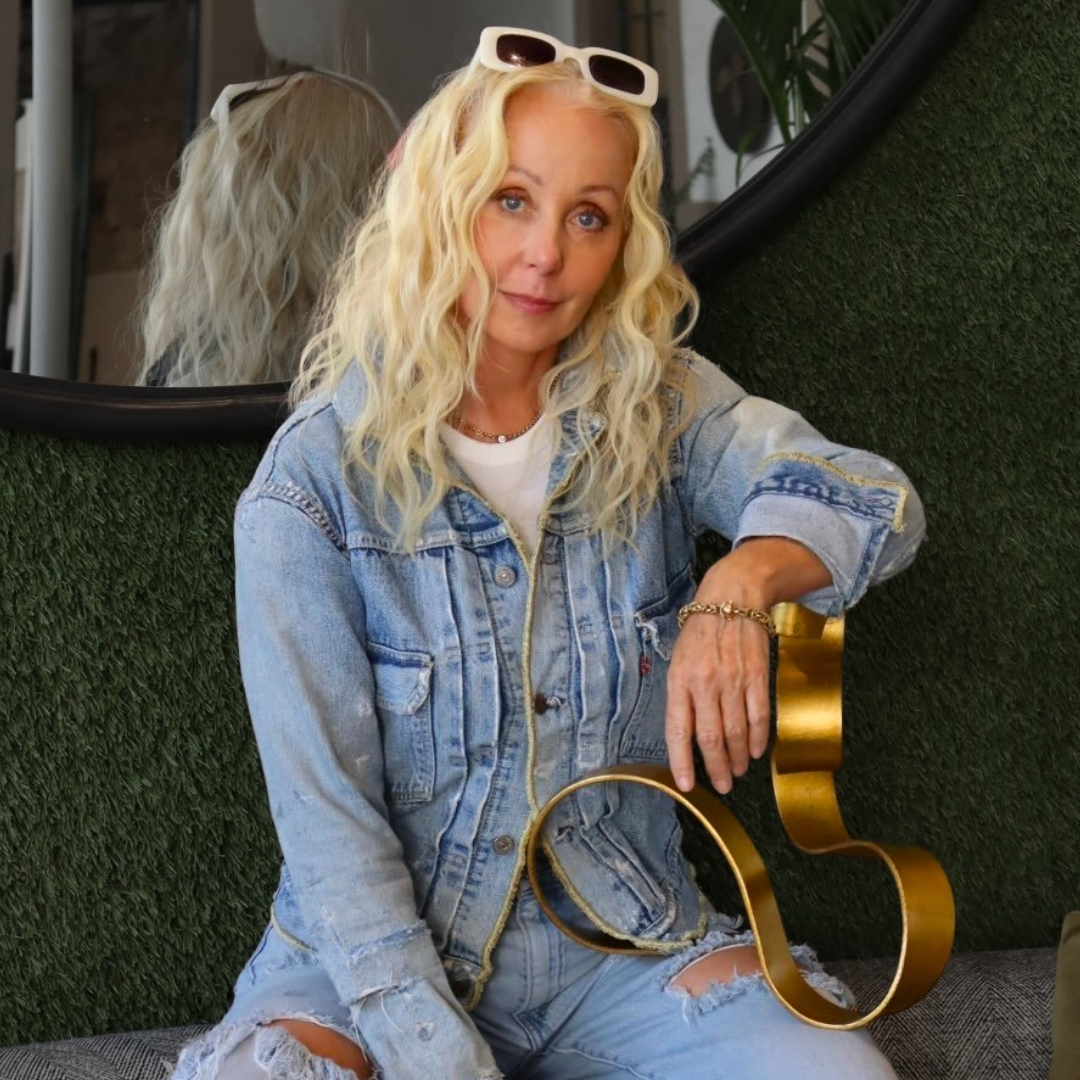
Article by
Rachel Horn Studio
Rachel Horn Studio is a San Miguel de Allende-based interior design studio specializing in luxury residential interiors, historic home renovations, hospitality spaces, and bespoke, artisan-made products for the home. Working across Mexico and the United States, the studio creates layered, experiential spaces rooted in site-specific design, Mexican craftsmanship, art, antiques, and an instinctive eye for the unexpected. From full-scale interiors to custom design and sourcing, Rachel Horn Studio brings a distinctly bicultural perspective to every project.