Buy your weekday smoothies and get your weekend ones for free. (7 for the price of 5!)
WELLNESSWEEK


What if the piece that belongs in your home isn’t waiting in a catalog, but begins with the way you live? I understand why standard options can feel too generic for a home’s character, or why it’s hard to picture a custom design before it exists. Custom luxury furniture can bring personal expression and practical use together, shaped around your room, your routines, and the details you want to live with every day.
In my work, I begin by discovering how each client sees and feels beauty. From there, an idea can develop into a finished piece through close collaboration with artisans, bringing craftsmanship and Mexican cultural heritage into the process. You don’t need every detail figured out before you begin. It helps to consider the room’s proportions, how the furniture will be used, and the materials and forms that feel like you. In this guide, I’ll walk you through how a bespoke idea takes shape, what to consider as you refine the design, and how to find a design partner whose perspective and craft feel right for your home.
A beautiful piece should do more than fill a space. It should make sense in the room, support the way you use it, and feel connected to the home around it. I see custom luxury furniture as a way to bring those elements together: your needs, the setting, and your personal sense of beauty. The result doesn’t have to announce itself. Sometimes the right proportions or a thoughtful detail make all the difference.
Furniture reflects changing ways of living, as well as the materials and design sensibilities of its time. The broad history of furniture design offers a useful reminder that function and form have long developed side by side. In a bespoke commission, that relationship becomes personal. Rather than beginning with a finished design, I start with what matters to you and the room.
Bespoke furniture is made in response to a particular person, place, and purpose; ready-made furniture begins with a design created to serve a broad range of homes. That distinction is about the starting point, not whether a piece is bold or ornate. A custom design can be quiet and restrained, with its individuality expressed in how it fits and feels.
With ready-made furniture, you choose from designs and options that already exist. That can be a practical choice when a piece suits your room and routines. Custom work starts with a particular client, setting, or purpose, then develops through creative collaboration. I listen to how you want the piece to look and feel, and consider how its proportions and character can respond to your home.
The difference may be subtle. A table might need to sit comfortably within a particular room, or a chair might need to serve a specific everyday purpose. Custom doesn’t mean adding decoration for its own sake. It means shaping the decisions around the person who will live with the piece.
A bespoke piece may be worth considering when a room’s proportions, existing character, or intended use call for a more personal response than a finished design can offer. It can also make sense when you have a clear idea of how you want a room to feel, even if you’re still finding the words for it. I work with clients to discover that sense of beauty and give it form.
Furniture contributes to a home’s character while doing its everyday work. Its scale can help a room feel balanced, and its presence can connect with details already there. You can explore how those choices come together in examples of our design projects. Custom design isn’t necessary for every room. It’s a considered choice when personal fit, function, and expression matter enough to shape a piece from the beginning.
A custom luxury furniture project takes shape through a conversation between the person who will live with the piece, the design direction, and the artisans who make it. I guide the process from an initial feeling or need toward a finished object. You don’t have to arrive with a polished plan. What helps most is describing what draws you in and how you imagine using the piece.
The process can be understood in four stages:
A conversation can reveal more than a preferred shape or finish. I want to understand what the piece needs to do, what you respond to visually, and how you hope to feel when it’s in the room. You might know you want a dining table that feels welcoming, for example, without knowing its exact form. That’s enough to begin exploring a direction together.
Concept development is the bridge between early ideas and a design with a clearer point of view. I bring together what I’ve learned about your taste and the setting, then shape those discoveries into a considered proposal. My residential design services are grounded in discovering how clients see and feel beauty, then developing ideas through to execution.
For me, making is a collaboration, not simply a handoff from a finished drawing. I work with artisans whose knowledge and skill contribute to the studio’s handcrafted work. Many of my artisan relationships span 20 years or more. These lasting connections bring shared understanding to the creative process, while each commission has its own direction and character.
The Ribbon table, for instance, took one year to create. Its development reflects the sustained attention and collaboration that can go into bringing an individual idea into finished form. Each commission follows its own path, guided by the design and the people involved in making it.
As the design takes shape, your role remains important: share what feels right, what doesn’t, and what you want the piece to express. The concept and the making can then move forward in conversation. The result is an object developed with a particular home and its people in mind.
Comparing furniture is easier when you begin with the life it needs to serve, rather than appearance alone. I encourage clients to separate what a piece must do from what they’d love it to look like. A dining table, for example, needs to suit its setting and purpose. Its shape and presence can then be considered alongside those practical needs.
Use these questions to compare a bespoke commission with a ready-made design:
| Consideration | Bespoke commission | Ready-made design |
|---|---|---|
| Personal fit | Begins with a particular client, room, and set of preferences. | Begins with a finished design intended for a range of homes. |
| Intended use | The purpose of the piece can guide its development. | You choose a design that suits the way you plan to use it. |
| Design flexibility | Shape, character, and other design choices develop through collaboration. | You select from the designs and options already available. |
| Making process | The idea is developed with the makers involved in bringing it to life. | The piece is selected after its design has been completed. |
Neither path is automatically better. The right choice depends on purpose, setting, and personal fit. A ready-made piece may feel entirely at home when its proportions and character suit the room. A bespoke design may be more compelling when you have a particular vision or need a more individual response.
First, picture where the piece will sit and what you’ll ask it to do. Consider its scale in relation to the room, how it will sit alongside existing furnishings, and the atmosphere you want the space to hold. Then make two short lists: the functions the piece must meet, and the visual qualities you’re drawn to. This keeps everyday use in view without losing the character you want.
Custom doesn’t mean inconvenient or difficult to live with. Practical needs can be part of the design conversation. Be specific about how you expect to use the piece, and let those details inform its development. Beauty and usefulness belong in the same discussion.
With a ready-made piece, you choose among established designs. With a custom commission, personal preferences and creative collaboration shape the design direction. Either can suit your home; your priorities should guide the choice. If you’re drawn to handcrafted Mexican furniture, consider how its making and character might relate to the rest of your room, not simply whether it catches your eye.
For me, the best comparison isn’t about choosing the most elaborate option. It’s about noticing which piece answers the real needs of the room and feels right to live with. Start with purpose, look carefully at the setting, and let personal preference complete the picture.
You don’t need a finished design or technical vocabulary to begin a custom luxury furniture project. A few thoughtful observations can help me understand the room, the piece’s purpose, and what feels beautiful to you. Think of preparation as gathering clues, not creating a formal plan. Your photographs, references, and first impressions give us something meaningful to explore together.
Start with a few photographs of the room, including the area where you imagine the piece will sit. If you can, note relevant dimensions, such as the available wall or floor space. Add a short description of the piece’s purpose and how you expect to use it. These details help connect an idea to the realities of the room.
Visual references can be useful, too. Bring images of furniture, materials, places, or details you’re drawn to, and tell me what catches your eye. It might be a shape, a sense of proportion, or the mood of a room. You don’t need to know exactly how those references fit together. Discovering that is part of the conversation.
Consider the atmosphere you want in the room and how you’d like to experience it in daily life. Should it feel restful, welcoming, intimate, or lively? Notice which existing furnishings you want the new piece to relate to, and whether it should blend in or bring a distinct note. These impressions help me understand how you see and feel beauty.
Personal meaning can be a helpful starting point. Perhaps a detail recalls a place you love, or a particular material feels familiar and inviting. You don’t need to turn that instinct into a design instruction. Tell me what matters, and I can help draw out the qualities that could guide the piece.
Before we talk, you might collect:
It can also help to look at selected project examples from Rachel Horn Studio for inspiration. Rather than deciding you want to copy a particular piece, notice what resonates: its relationship to the room, its presence, or the feeling it evokes. That response gives our conversation somewhere to begin, while leaving room for a design that reflects you and your home.
Once you’ve thought about a piece’s purpose, its place in your home, and the feeling you want it to bring, the next step is finding a design conversation that can turn those thoughts into something tangible. At Rachel Horn Studio, I work with clients and artisans to create custom luxury furniture that reflects individual taste and responds to the home it’s made for. I founded the studio in 2000 and work with residential clients across the United States.
I believe in beauty in everything. My work is about discovering how each client sees and feels beauty, then developing a design that gives that personal perspective a place in the home. The conversation might begin with a practical need, a room you’re still shaping, or a feeling you can’t quite put into words. Together, we look for the details that make the idea distinctly yours.
I collaborate with artisans whose skill and perspective help bring an idea from concept toward a finished piece. The making is part of the design story, while the final direction remains personal to you and your home. You can see how different ideas take form in Rachel Horn Studio’s project work, where furniture sits within the character of a complete setting.
You don’t need to arrive with a drawing or a complete design. Bring the room, the purpose, and whatever you already know about how you want the finished piece to feel. A few photographs or visual references can help, but your instincts are welcome too. I’ll listen for what matters to you and help shape a direction that brings beauty and use into the same conversation.
That exchange is where a bespoke idea begins to find its form. We can explore what the piece needs to do, how it might relate to its surroundings, and which qualities feel most meaningful to you. From there, I work with artisan partners as the design develops toward making. Each project has its own character because each home and client brings a different point of view.
If you have a piece in mind, I’d be glad to hear what you’re imagining. You can begin with the room, the purpose, or simply the feeling you hope to create.
The first step toward custom luxury furniture can be as simple as noticing what your home is asking for. Perhaps there’s a corner that needs a more considered purpose, or a daily routine that would feel better with a piece made around it. Hold on to that observation. It can become the beginning of a design conversation, even before you know what the finished piece should look like.
I’d love to hear what you’re imagining. Tell me about the room, how you hope to use the furniture, and the feeling you’d like it to bring. From there, we can explore an idea that reflects your taste and feels at home in your life.
Your idea doesn’t need to be complete to be worth exploring. Start with what matters to you, and let the design unfold from there.
I see custom luxury furniture as considered design and skilled making brought together for a particular home. The value isn’t measured by ornament or scale. It’s in the thought behind the piece and in how its details express the person who will live with it. A quiet, simple design can feel just as personal as one with a more distinctive presence.
I treat the design process as a shared conversation, where your point of view guides the direction and I help give it form. If a suggestion doesn’t feel like you, tell me what seems out of place. That response can be more useful than trying to name an alternative immediately. It helps me understand the qualities you want the design to hold onto.
Yes. I take an existing room’s character into account, including the furnishings or details you want to preserve. If a piece needs to relate to a family heirloom, for example, tell me what you value about it, whether that’s its presence, history, or appearance. That context helps me consider how a new design can sit comfortably alongside what already matters to you.
I wouldn’t say one is always better. I’d consider what you most want from this particular piece. If an existing design already feels right for your home and your taste, that may be all you need. If you’re hoping for an expression that feels more personal, a custom commission gives us space to explore it. The best choice is the one that feels considered for you.
I suggest deciding which qualities matter most before weighing different design possibilities. Is there one practical need the piece must meet, or a detail that would make it feel especially personal? You might also think about what you’re willing to be flexible on. Knowing your priorities helps me guide the conversation and make design decisions with your central intention in mind.
Yes. I collaborate with artisans to bring individual furniture ideas into being. A one-of-a-kind piece can be shaped by the particular vision behind it, rather than chosen as one design among many. I value the exchange between the idea and the makers’ craft. That collaboration connects the finished piece to both your taste and the hands involved in creating it.
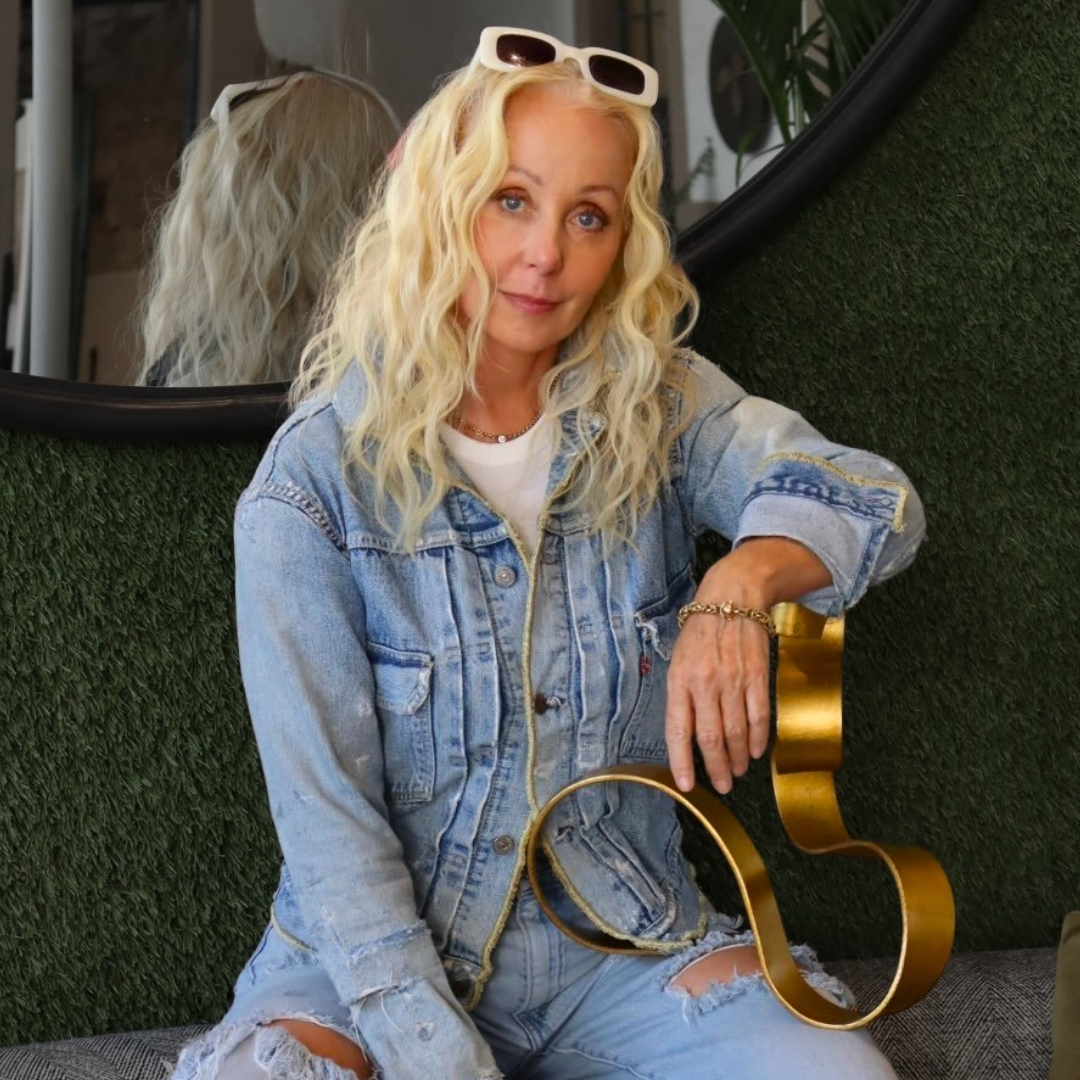
Article by
Rachel Horn Studio
Rachel Horn Studio is a San Miguel de Allende-based interior design studio specializing in luxury residential interiors, historic home renovations, hospitality spaces, and bespoke, artisan-made products for the home. Working across Mexico and the United States, the studio creates layered, experiential spaces rooted in site-specific design, Mexican craftsmanship, art, antiques, and an instinctive eye for the unexpected. From full-scale interiors to custom design and sourcing, Rachel Horn Studio brings a distinctly bicultural perspective to every project.