Buy your weekday smoothies and get your weekend ones for free. (7 for the price of 5!)
WELLNESSWEEK


What if your home wasn't just a collection of expensive objects, but a living narrative of your soul? It's a daunting thought, especially when you're standing on the precipice of a major renovation. You want a sanctuary that reflects your history and your future, not a cold showroom that feels like it belongs to someone else. Finding the right partner for this journey is about more than just checking a portfolio; it's about discovering a shared visual language. Knowing the right questions to ask an interior designer before hiring is the first step toward ensuring your home becomes the curated masterpiece you've imagined.
I understand the hesitation that comes with opening your doors to a creative stranger. You might worry about hidden costs or wonder if those bespoke pieces are truly handcrafted by skilled hands. Since I founded my studio in 2000, I've spent 20 years building a network where 90% of our items are handmade by local artisans. I will guide you through the soul-searching questions that ensure your designer shares your vision for a beautiful, artisanal home. We'll look at how to vet a designer's creative philosophy, their logistical transparency, and their ability to act as a visionary curator for your life's most intimate spaces.
I believe beauty is the ultimate goal in life. It's the heartbeat of every project I touch, and it should be the heartbeat of your home too. When you look for a partner to transform your most intimate spaces, you aren't just seeking someone to pick out fabrics. You're searching for a visual soulmate. One of the most vital questions to ask an interior designer before hiring is: "How do you define beauty in a residential space?" Their answer reveals if they truly see the world through your lens. If your definitions don't align, the entire creative process becomes a friction-filled journey rather than a collaborative dance. A shared vision acts as the quiet foundation for everything we build together, ensuring every choice feels intentional and right.
Every room has a voice, and it should speak your language. Your home should be a reflection of your history, your travels, and your future. Ask your potential designer: "What story does my home tell when you look at my initial ideas?" You want a visionary curator who acts as a storyteller, not just a decorator following a checklist. They should be able to weave your personal artifacts and unspoken dreams into a cohesive, elegant narrative. My own path to design was an unconventional journey, moving from the golden landscapes of California through the analytical rigors of law school. You can read more About Rachel to see how that diverse background shaped my belief that every object has a specific origin story. Before you commit, ensure they understand they're building a personal sanctuary, not just filling a void with furniture.
A truly sophisticated home feels timeless because it respects the past while embracing the present. It balances the weight of history with the effortless ease of modern living. Ask: "How do you blend traditional craftsmanship with a modern lifestyle?" This question helps you find a designer who values a soulful, grounded sensibility. It's about more than simple aesthetics. It's about high-level artistry and the manual skill required to create something unique. To understand the full scope of what this specialized profession entails, it's helpful to look at the professional definition of What is an Interior Designer? and the intricate services they provide. Reviewing the portfolios of established firms like Pianta Design can also provide a clear benchmark for the level of detail and sophistication you should expect. You need a designer who acts as a bridge between different eras. This ensures your design doesn't feel like a passing trend that will fade in a few years. Instead, your home should feel like it has always been there, evolving and breathing as you do.
Your home is a story told through the objects within it. When you interview a potential design partner, you must look beyond the surface of their mood boards. One of the most essential questions to ask an interior designer before hiring is: "Where do you source your custom furniture and lighting?" A designer who relies solely on catalogs and mass-market warehouses will give you a home that feels like a showroom. I prefer a home that feels like a sanctuary. I've spent 20 years building deep relationships with master artisans in and around San Miguel de Allende. This network is the literal heart of my work. Because 90% of the pieces in my projects are handmade by these local artisans, the results are deeply personal and impossible to replicate.
You should also ask: "Can you create pieces that are truly unique to my home?" A visionary designer shouldn't be limited by what's available in a store. They should be able to act as a bridge between your imagination and the physical world. This requires a level of artistry that goes beyond simple decoration. It involves understanding the manual skill required to forge iron or carve wood into something that carries a soul. When a designer has a direct connection to the makers, or sources from specialized boutiques like Milan Gallery Bathroom Vanities, the design process becomes an act of curated creation rather than just a transaction.
Handcrafted items possess a depth and weight that mass-market pieces simply cannot match. There is a visible human touch in the grain of the wood and the subtle curve of the iron. This level of high-level artistry takes time. For example, the development of our Ribbon table took one year of careful refinement to get the movement of the design just right. When you ask if a designer can create unique pieces, you're asking if they value the slow, intentional process of creation. You can explore our Collections to see how this dedication to craft manifests in our mirrors and accents. Every piece carries the cultural legacy of the hands that shaped it.
True luxury is found in the ability to say "yes" to an original idea. Ask: "Is there anything you cannot have made for a project?" Through my network of skilled ironworkers and carpenters, we can produce almost anything. It's important to understand the difference between "customized" and "bespoke." Customized often means picking a fabric for a pre-existing frame. Bespoke means the frame itself is born from your specific needs. This distinction is vital when you consider the questions to ask an interior designer before hiring. You deserve a designer who understands the emotional weight of a well-designed environment. If you're ready to discuss a vision that requires this level of manual skill, I invite you to reach out and share your story.
A home is a living entity. It's not a static set piece. I've always felt that a designer's work is only done when the last candle is lit and the table is set. When you're gathering the questions to ask an interior designer before hiring, it's vital to know if they see the big picture. Ask them: "Do you handle full-home styling, including décor and accessories?" You want a designer who thinks about the dishes on your table as much as the sofa in your living room. This level of thoroughness, which is also central to the property staging and interior design approach at Raw at Home for their Gold Coast clients, ensures that your space doesn't just look designed; it looks lived in and loved. It avoids that hollow feeling of a house that's been furnished but not yet inhabited.
You should also ask: "How involved are you in the architectural details of the renovation?" A designer shouldn't just decorate around the architecture. They should help shape it. Whether it's the placement of a bespoke lighting fixture or the curve of a custom archway, these details are the bones of your design. I manage everything from the initial concept to the final styling because I want to ensure the soul of the home remains intact through every phase of the project. This continuity prevents the vision from being diluted as the project moves from the drafting table to the construction site.
Transformation begins long before the first artisan starts their work. Ask: "How do you translate my vague ideas into a cohesive plan?" I believe in a rigorous concept phase. It's a time for soul-searching and visual exploration. We don't just pick colors. We define a narrative. This planning stage is what prevents friction later in the process. When you view our past Projects, you'll see that each space feels like a unique sanctuary. This is because we spend the time to ensure the floor plan and the flow of the home reflect your specific vision of beauty. We plan the silence as much as the sound.
Executing a high-end design across borders is a complex dance. Ask: "How do you handle shipping and procurement for projects across the US and Mexico?" My studio acts as a bridge between these two worlds. Since 2000, I've managed the logistics of moving handcrafted treasures from San Miguel de Allende to homes across North America. It's a methodical process that requires patience and care. I act as a project manager for your renovation, handling the logistical nightmares so you don't have to. For more on how we balance these intricate details, read about Luxury Residential Interior Design and the art of soulful living. We ensure that your vision arrives intact, no matter the distance.
Design is a shared journey. It's a rhythmic exchange of ideas that requires both parties to be in sync. I believe the most evocative results come from a deep, personal collaboration. Among the vital questions to ask an interior designer before hiring is: "How often will we communicate, and what is your preferred method?" You need to know if they'll be a silent partner or a constant, guiding presence. My communication rhythm is methodical and intentional. It mirrors the slow, careful process of high-end creation. This ensures that every detail is absorbed and every decision is made with thoroughness and care.
You must also ask: "How do you handle feedback if I’m not sure about a specific direction?" A visionary designer shouldn't just dictate a style. They should act as a bridge between your intuition and their artistic expertise. It's about finding that delicate balance between professional authority and your personal sense of place. If a suggestion doesn't resonate with your soul, your designer should be able to pivot gracefully without losing the project's narrative quality. This trust allows the creative process to feel like a visual and emotional journey rather than a simple list of services.
Ask: "What do you need from me to ensure the project is a success?" This discovery phase is where we uncover how you see and feel beauty. It's not just about sharing images. It's about the emotional weight you want your home to carry. I use this time to listen to the stories behind your history and your aspirations. Setting clear expectations for your involvement in bespoke designs ensures that the final result feels like your personal sanctuary. It's a soulful process that requires honesty and presence from both sides to truly flourish.
Ask: "How do you present designs and material samples?" Trust is built through transparency and sensory experience. In the world of high-level artistry, digital renderings only go so far. You need to see the hand in the materials. I believe in the power of physical samples. The weight of forged iron. The texture of hand-carved wood. Our Services page offers a breakdown of this collaborative approach. Seeing and touching the components of your home builds a deeper connection to the finished space before the first piece is even installed.
The perfect fit in a design partnership is a rare, exquisite blend of shared artistic vision and absolute logistical trust. After you've explored the essential questions to ask an interior designer before hiring, you must listen to your intuition. Does their portfolio reveal a range of customized, non-generic spaces? Every home they touch should feel like a unique sanctuary, not a repetition of a single, tired style. If their previous work feels like a cold showroom, it's likely your home will too. You deserve a designer who acts as a bridge between your personal history and a future of curated beauty.
Verify that the designer has a proven network of artisans for custom work. This is the only way to ensure your home is filled with unique, handcrafted items that carry a deeper meaning. There must be a clear, documented path from the initial vision to the final execution. A visionary curator doesn't just dream; they deliver. They manage the slow, careful process of creation from the first sketch to the final placement of the dishes on your table. This methodical approach ensures that the soul of the project remains intact from the very first concept to the final styling.
A significant green light is a designer who asks more questions about your life and your daily rituals than your budget. They should want to know how you move through a room and what stories you want your walls to tell. They are searching for the narrative quality of your life. A major red flag is a designer who relies solely on mass-market catalogs. This suggests a lack of connection to authenticity and manual skill. It's also wise to check their professional standing. Reviewing their past collaborations and presence in the media can provide a sense of their cultural legacy and authority in the field.
When you find the person who shares your visual language, ask: "What are the next steps to begin our journey together?" This question marks the end of the search and the beginning of the creation. You'll move from the interview phase into a deep, collaborative discovery process. This is where we begin to translate your dreams into a physical reality. You can see how our work has been celebrated by visiting our Press page. Seeing our work in the world will give you the confidence to trust us with your vision. Your home is your most intimate environment, and choosing its curator is the most important design decision you'll ever make.
Your home is the most intimate canvas you'll ever own. It deserves a curator who understands that beauty isn't just a style; it's a way of living. By focusing on the right questions to ask an interior designer before hiring, you ensure that your sanctuary reflects your unique history. We've explored why a shared visual language is vital and why the human touch of handcrafted items matters so much. Since I founded my studio in 2000, I've focused on creating bespoke designs for estates across the United States and Mexico. My commitment remains to the narrative quality of design, where 90% of our pieces are born from the hands of master artisans.
Trust your intuition. A home filled with soul and timeless beauty is waiting for you. I look forward to hearing the story you want your home to tell.
Look for a shared visual language rather than a specific color palette or furniture style. A portfolio should demonstrate a range of customized, non-generic spaces that feel like personal sanctuaries rather than cold showrooms. If you see a consistent thread of high-level artistry and authenticity across diverse projects, it's a sign they can translate your unique vision. My work focuses on finding how you see and feel beauty, creating a narrative that belongs solely to you.
An interior designer manages the entire project from concept development to architectural details, while a stylist focuses on the final aesthetic layers. Designers handle space planning, custom furniture creation, and project management for luxury renovations. Stylists typically work with existing structures to refresh a decorative look. I offer full-home styling as part of my comprehensive design service, ensuring every detail from the bespoke lighting to the dishes on your table feels cohesive and intentional.
While I specialize in full-home styling and comprehensive residential projects, every studio has different requirements for their scope of work. For those seeking specialized design packages or remote consultancy, the Appreciation Project provides a flexible approach to interior design. I prefer to manage everything from the initial concept to the final execution to ensure a seamless narrative throughout the entire space. Focusing on the whole home allows us to create a consistent flow and a deeper sense of place. It's one of the important questions to ask an interior designer before hiring to see if their scope fits your needs.
High-level artistry and handcrafted pieces require a methodical, intentional pace that respects the materials and the maker. The timeline varies significantly depending on the complexity of the piece and the manual skill involved. For instance, the development of our signature Ribbon table required one full year of collaboration with our master artisans. Because 90% of our items are handmade by artisans in San Miguel de Allende, we prioritize the slow, careful process of creation to ensure every object carries a soul.
Incorporating existing pieces is a wonderful way to honor your personal history and keep the narrative of your home authentic. I view these items as vital chapters in the story we are telling together. A visionary curator can bridge the gap between your cherished heirlooms and contemporary luxury. We look at how these pieces fit into the broader concept during the discovery phase to ensure they harmonize with the new handcrafted elements we create for your sanctuary.
Most luxury firms utilize project-based interior design fees that cover comprehensive services from concept development to final styling. This structure allows for a thorough and dedicated creative process without the pressure of hourly tracking. It's common to see separate procurement services for custom furnishings and artisan-made accents. Understanding these fee structures is one of the essential questions to ask an interior designer before hiring to ensure total transparency and trust throughout our creative journey together.
This depends on the scope of your project and whether structural changes are required for the building. While I handle architectural design and the fine details of a renovation, I do not provide structural engineering services. If your project involves moving load-bearing walls or significant structural shifts, a separate engineer or architect is necessary. I often act as a bridge between these professionals and the client to ensure the artistic vision and soulful atmosphere remain the priority.
The best time to involve a designer is at the very beginning of the concept phase. Bringing us in early allows us to influence the architectural details and space planning before any construction begins. To gain an expert perspective on this initial planning, you can check out Neil Norton Design. This ensures that the bones of the home support the final vision of beauty you want to achieve. Early collaboration prevents costly changes later and allows for a more cohesive, soulful environment where every element, from the lighting to the layout, is planned with intention.
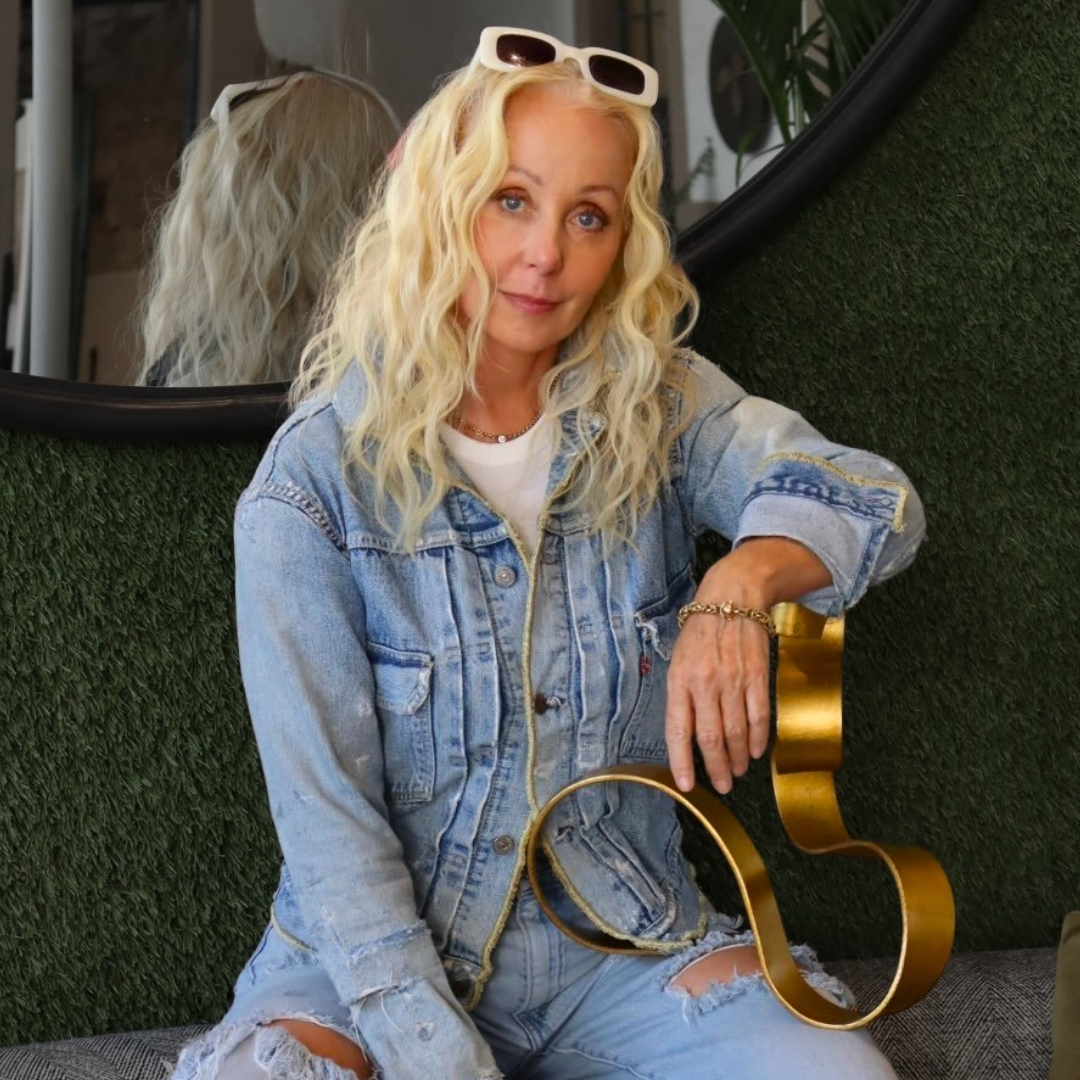
Article by
Rachel Horn Studio
Rachel Horn Studio is a San Miguel de Allende-based interior design studio specializing in luxury residential interiors, historic home renovations, hospitality spaces, and bespoke, artisan-made products for the home. Working across Mexico and the United States, the studio creates layered, experiential spaces rooted in site-specific design, Mexican craftsmanship, art, antiques, and an instinctive eye for the unexpected. From full-scale interiors to custom design and sourcing, Rachel Horn Studio brings a distinctly bicultural perspective to every project.